
Discord’s recent growth spurt is undeniable. The number of people using the messaging platform has almost tripled in the last two years, rising from 56 million monthly active users in 2019 to over 140 million in 2021.
Its newfound popularity raises some interesting questions – should journalists use it? And, perhaps more importantly, how?
What is Discord?
Discord is an instant messaging service, similar to WhatsApp or Telegram.
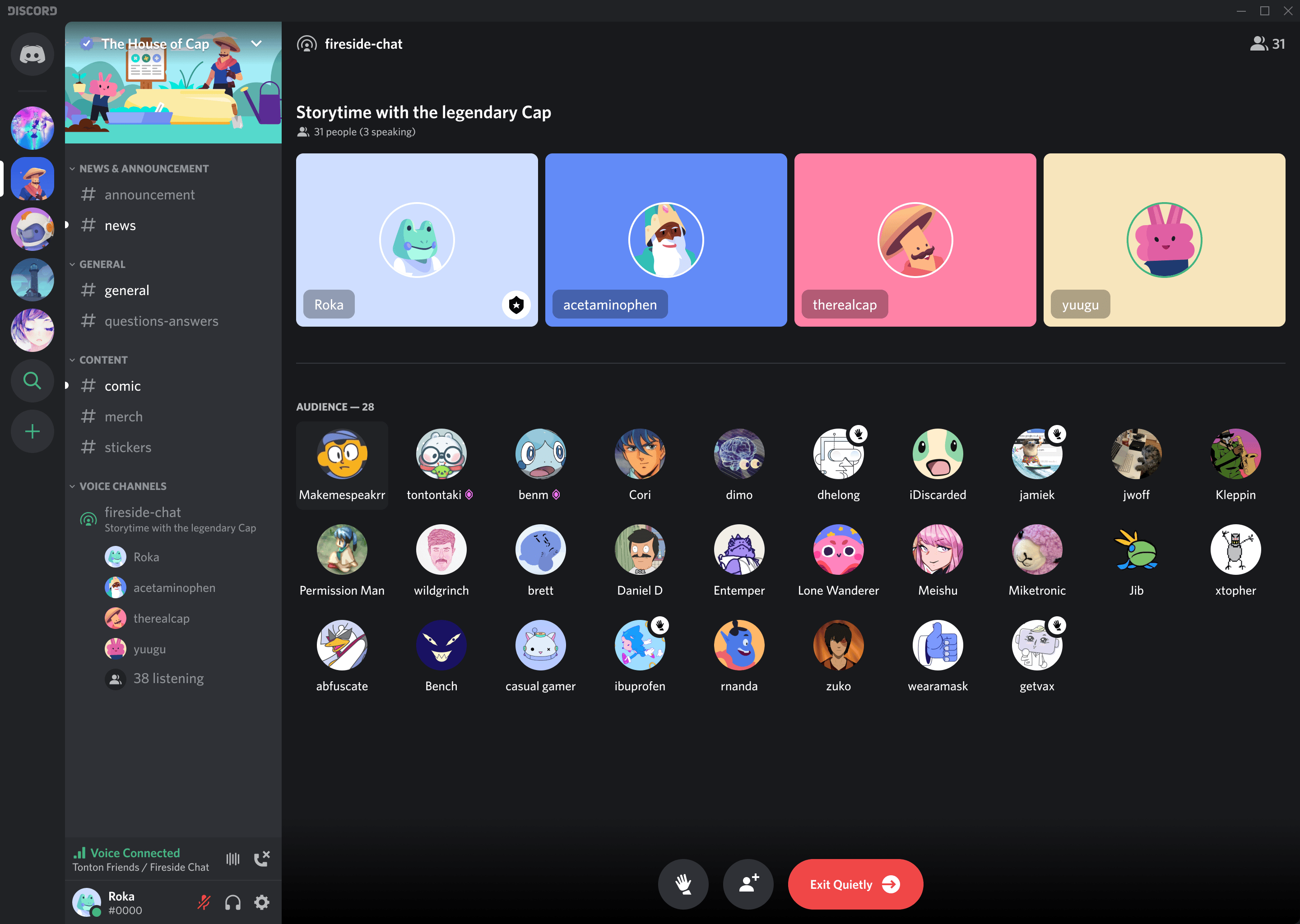
In Discord, you can create rooms (known as ‘servers’) in which to chat. You can invite someone, or many people, to join a server and make sub-groups (called ‘channels’) within it.
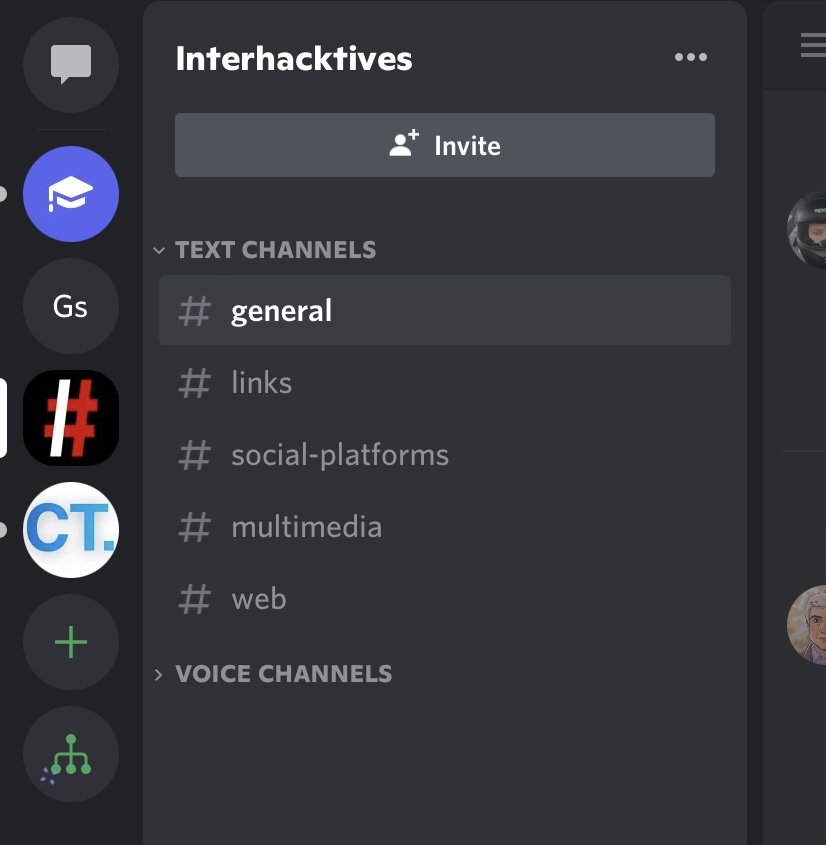
Basically, it is an invite-only Reddit. However, unlike Reddit, Discord supports video calls and voice chat alongside text. Setting itself apart from WhatsApp too, Discord does not require you to provide a phone number to register.
But, does it have a place in modern journalism? I asked Oliver Barsby, Editor at Planet Crypto and City, University of London student, for his opinion.
Should Journalists use Discord?
According to Barsby, it depends on your target audience. “It is more often for niche Internet cultures or groups,” he says, “but you will find projects, especially online ones, which have Discords.”
Such communities range from online gamers to the ever-growing body of cryptocurrency users, both of which Barsby is a prominent member in.
If you’re pursuing some of these groups which communicate via Discord, Barsby says, “it makes sense to do it there, where they’re comfortable.”
It can also be the place for scoops.
“Ahead of newsworthy events, like a new game release, you can find comments there – you can maybe even find stories in there because the core communities who are on Discord share news together before it comes out elsewhere.”
Finding Sources in Communities
If the community you’re investigating is on Discord, it may be an importance source of information and interviewees.
However, there is some important ‘netiquette’ to keep in mind.
While you can jump in with these communities’ servers, it’s important to engage meaningfully with them first, before you start seeking their help.
According to Barsby, you shouldn’t feel “above” engaging with them – “You’ve got to give as much as you take.”
He says: “People don’t like being used, so if you just go into Discord to use them rather than engage, everyone will just ignore you. Make sure people don’t go ‘here XYZ comes again from this channel, looking for a story’.“
Will Newsrooms Adopt Discord?
Messaging platforms have become the backbone of many newsrooms in recent years.
As more people work from home, the ability to chat without strolling over to their desk in the office has become essential. Some publications, such as Reach PLC in the UK, no longer use a traditional office.
One of the most popular platforms used in newsrooms is Slack. However, Discord and Slack offer many similar benefits.
Discord vs Slack
Both offer channels for communication from a centralised ‘server’ – in Slack’s case, a Workspace. They both also allow text, voice and video chat functions.

Unlike Discord, however, Slack was primarily designed to be a workspace where teams collaborate and communicate internally safely and efficiently. As a result, it is currently winning the battle of the newsrooms.
Should you be considering Discord in your newsroom?
“It depends on the context,” says Barsby, “It can be seen as weird, because Discord is seen as more for gaming. That is why it started, but I’ve seen a few [publications] actually use Discord to organise people in their own little ecosystem.”
Ultimately, Discord is definitely not something to ignore – “Even if it doesn’t work for you now, it’s one to keep an eye on.”

Interactive Journalism MA at City, University of London.
Dublin-born, London-living.
Interested in sport, film/tv & social media's role in modern journalism.