
When Elon Musk bought Twitter – now rebranded as X – last fall, he promised more free speech and accessibility. But experts now fear his makeover of user verification may instead give rise to misinformation and undermine fact-checking efforts as revealed by the surge of misinformation during the recent Israel-Hamas war.
For over a decade, X’s signature blue checks offered visual cues for discerning credible accounts from imposters. Policymakers announced new bills, while journalists shared breaking updates in real-time. The public relied on these signals to navigate official reports and news amid the site’s hurricane of opinions.
That hierarchy now lies in ruins as buyers claim distinction in what some call a credibility free-for-all.
Undermining Trust: The Perils of Open Access Verification
In one disruptive stroke, Musk sold verification checks to any buyer willing to spend $8 per month. He opened the gates for mass participation on a frontier historically limited to those making substantial contributions in culture, governance or investigative reporting.
Some observers criticise these changes. “The blue-check verification once served as a reassurance flag for fellow journalists,” says Davar Mohammad, a journalist with Erbil-based Kurdistan 24’s English service. However, he warns that Musk’s takeover and the new monetisation system has led to a marked rise in the dissemination of “propaganda, fake news, and hate speech” by many newly-prominent accounts buying blue checks.
Eliot Higgins, founder of open-source investigative website Bellingcat, attributes the rise in misinformation to Musk’s changes, including scaled-back content moderation. “The shifts have cultivated an environment ripe for disinformation to spread,” Higgins said.
Critics point to the proliferation of anonymous accounts purchasing verification status, which they say enables misinformation to gain traction through algorithmic amplification. “Multiple unnamed accounts tweeting the same bogus content can temporarily make it seem credible,” Mohammad explained.
The Balance of Free Speech and Factual Integrity
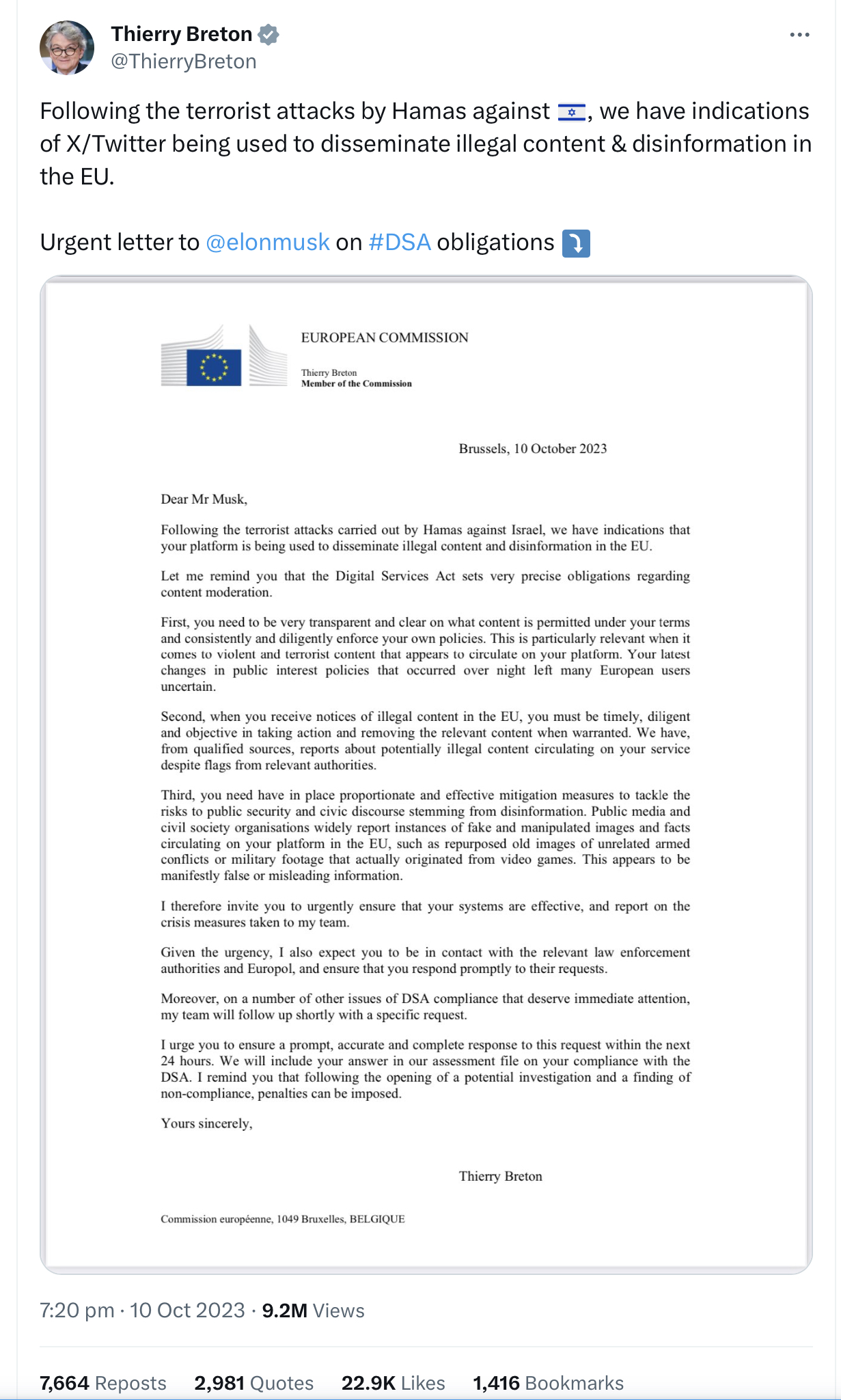
A case in point is the recent Israel-Hamas war in which exports warn fake news is thriving on social media, particularly on X. A flood of videos and photos purporting to show the conflict have filled social media, making it difficult for onlookers from around the world to sort fact from fiction. Outside watchdog groups also said misinformation about the war abounds on the platform including European Commissioner Thierry Breton who said “fake and manipulated imagery circulating on X include “repurposed old images of unrelated armed conflicts or military footage that actually originated from video games”.
Musk defends the changes as democratising access to verification, diversifying media voices, and reducing legacy outlets’ gatekeeping role. He also argues that paid verification can incentivise accountability by attaching a cost to each account. Some tech researchers counter that removing identity checks instead bolsters the spread of misinformation.
“Now we compete against an endless flood of content,” Mohammad added. “It’s impossible to correct every falsehood before the next goes viral.”
As questions mount around verification’s new status, Musk aims to double revenue through his controversial marketplace overhaul. For now, uncertainties cloud X’s future as a platform to inform — or deceive.